

Self-Exclusion and Cooling-Off Tools on Offshore Casino Sites
Safer gambling tooling on offshore platforms will not replicate GamStop's UK-wide domestic coverage, but operator-level controls still matter — deposit caps, loss caps, session timers, cooling-off periods and full self-exclusion scoped to that brand. UK adults 18+ should locate and test these settings before the first deposit, when intentions are clearest.
This guide explains common tool types and practical usage on combined casino-and-sports accounts. It supports harm reduction, not maximising play time.
Deposit limits: the first line
Daily, weekly and monthly deposit caps restrict funding speed. Effective implementations apply decreases immediately and delay increases — often 24–72 hours — preventing heat-of-moment limit raises after losses.
Set limits matching entertainment budget, not aspirational win scenarios. If your monthly surplus for all leisure is £100, gambling should occupy a declared fraction — not the entire envelope by default.
Loss limits vs deposit limits
Loss limits cap net losses over periods — harder to implement cleanly but valuable when available. Deposit limits alone do not stop losing already-deposited funds; pairing both tightens control.
Session timers and reality checks
Pop-ups every 30 or 60 minutes interrupt autopilot play — common on slots and crash games. Enable them even if annoying. Live dealer and in-play sports benefit equally from forced pauses.
Cooling-off periods
Short breaks — 24 hours to six weeks — lock login while preserving account history for return unless terms say otherwise. Useful when you feel tilted but not ready for permanent exclusion.
Verify whether cooling-off blocks marketing emails and SMS during the period — gaps here undermine the break.
Self-exclusion at operator level
Full exclusion closes gambling access on that brand for months or permanently. Reopening may require support contact after cooling periods — intentionally friction-heavy.
Excluding from one offshore brand does not exclude you from others. Maintain a private list of accounts opened; exclusion amnesia causes relapse via forgotten registrations.
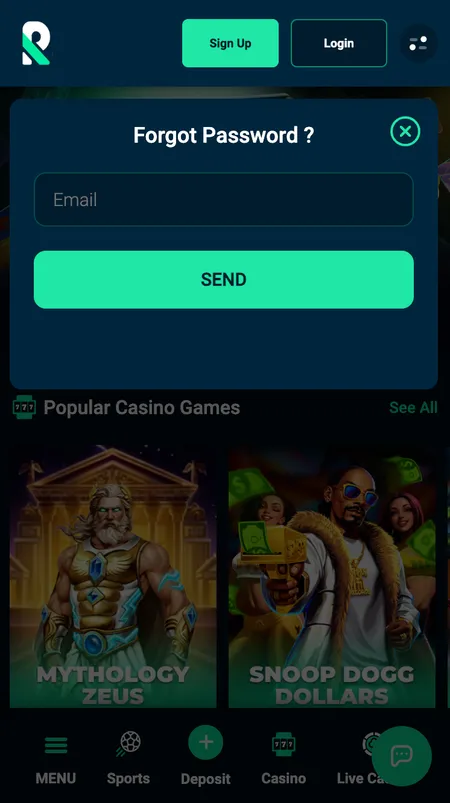
Understand recovery paths before excluding — you may need email access to confirm closure or to retrieve statements for personal records.
Combined wallet implications
Self-excluding from a platform offering casino and sports together should block both products. Confirm in writing via support if marketing splits products ambiguously.
Bonus and exclusion interactions
Self-excluding with active bonuses may forfeit promotional balances per terms. Read forfeiture clauses — another reason to avoid large active rollovers when considering breaks.
Third-party help overlays
GamBan, Gamban and bank gambling blocks add device or payment-layer friction beyond operator tools. They complement but do not replace counselling. GamCare advises on layered strategies.
When to choose cooling-off vs full exclusion
Cooling-off suits:
- Short tilt after bad session
- Need to finish non-gambling account admin first
- Testing whether break restores balance
Full exclusion suits:
- Repeated failed limit attempts
- Hidden play from household
- Chasing losses across weeks
Honesty beats optimism.
Marketing after self-exclusion
Unsubscribe from all operator lists at exclusion. Offshore brands vary in email compliance quality. Filter aggressively.
Re-registration bans
Operators prohibit new accounts to bypass exclusion — detection via payment instruments and identity documents triggers confiscation. Do not attempt circumvention; it worsens harm and legal risk.
Support conversations about limits
Good support teams lower limits instantly, explain increase delays, and link GamCare without minimising concerns. Test this in pre-deposit chat if evaluating brands like Roletto casino — support culture predicts crisis response.
Documenting limit settings
Screenshot limit confirmation screens with dates. Disputes rare but possible if systems fail to enforce caps.
Limits during bonus rollover
Active bonuses may restrict early exclusion or balance withdrawal until forfeiture. Forfeiting bonus to enable exclusion is rational when harm outweighs promo value.
Family visibility
Share limit choices with partners where finances intertwine. Secrecy undermines tool effectiveness.
Offshore licensing context
Curacao-regulated platforms are not UKGC-bound but many still publish safer gambling pages for market credibility. Depth varies — empty pages signal low priority.
GamStop, operator tools and when UK players need both
GamStop remains the only multi-operator block covering all UKGC-licensed online gambling for six months, one year or five years. Operator-level self-exclusion on offshore brands — including combined casino-and-sports platforms accessible from Britain — scopes to that single licence holder only. UK adults playing recreationally on offshore sites should still configure deposit limits and cooling-off on day one; adults who previously enrolled in GamStop because of harm must not treat offshore registration as a neutral alternative. The responsible sequence for harm-driven exclusion is GamStop first, then operator exclusions on any legacy accounts, then banking blocks and support contact — not the reverse.
Cooling-off periods of 24 hours to six weeks suit British punters who feel tilted after one bad Saturday acca or a crash-game session that exceeded time limits. Full self-exclusion suits repeated failed limit raises, hidden play from partners sharing household finances, or chasing losses across pay cycles. Write your trigger list before first deposit: "If I increase limits twice in one month, I exclude for six months" — specificity beats vague intentions when Premier League emotion peaks.
Third-party apps such as Gamban block gambling domains at device level on phones and laptops commonly used in UK households. They complement GamStop when excluded users share tablets with family members who still gamble legally, or when retargeting ads slip through browser history. GamCare advisers routinely recommend layered friction; no single tool covers every entry point.
Re-registration to bypass operator exclusion violates terms and often triggers confiscation when payment instruments match. British forum advice suggesting "fresh emails" ignores KYC convergence — harm reduction means honouring exclusion, not evading it. If cooling-off ends and you choose to return, re-read limits before login; many UK players report that a two-week break reveals they did not miss the product as much as adrenaline suggested mid-session.
Deposit limit decreases should apply instantly on reputable platforms; if yours does not, ask support in writing before first stake. UK-facing responsible gambling guidance from BeGambleAware emphasises irreversible downward adjustments — operators delaying decrease implementation deserve scrutiny during pre-deposit evaluation, not just after harm accumulates.
Session timers paired with reality checks work best when enabled before first login, not after a loss chase begins. British combined-wallet users should set timers long enough to cover a planned football coupon review but short enough to interrupt autopilot slot or crash loops — sixty minutes suits many recreational budgets; three-hour open sessions rarely remain intentional.
Write down your cooling-off trigger conditions and store them outside the gambling app — notes app, fridge magnet, trusted friend. UK harm-reduction guidance consistently finds written pre-commitments outperform in-session promises when emotion peaks during televised sport or live-table rebet streaks.
UK national resources regardless of site licence
- GamCare
- BeGambleAware
- National Gambling Helpline 0808 8020 133
Use them even if you play offshore.
Practical day-one setup
Before first bet:
1. Set deposit and loss limits
2. Enable session timer
3. Bookmark safer gambling help links
4. Decide cooling-off trigger conditions in writing
18+ only. Gamble responsibly. If tools fail to control harm, self-exclude and call GamCare. Not legal advice.
