

The Margin Game: The Economics of High-Frequency Micro-Transactions in Digital Entertainment
The Margin Game: The Economics of High-Frequency Micro-Transactions in Digital Entertainment
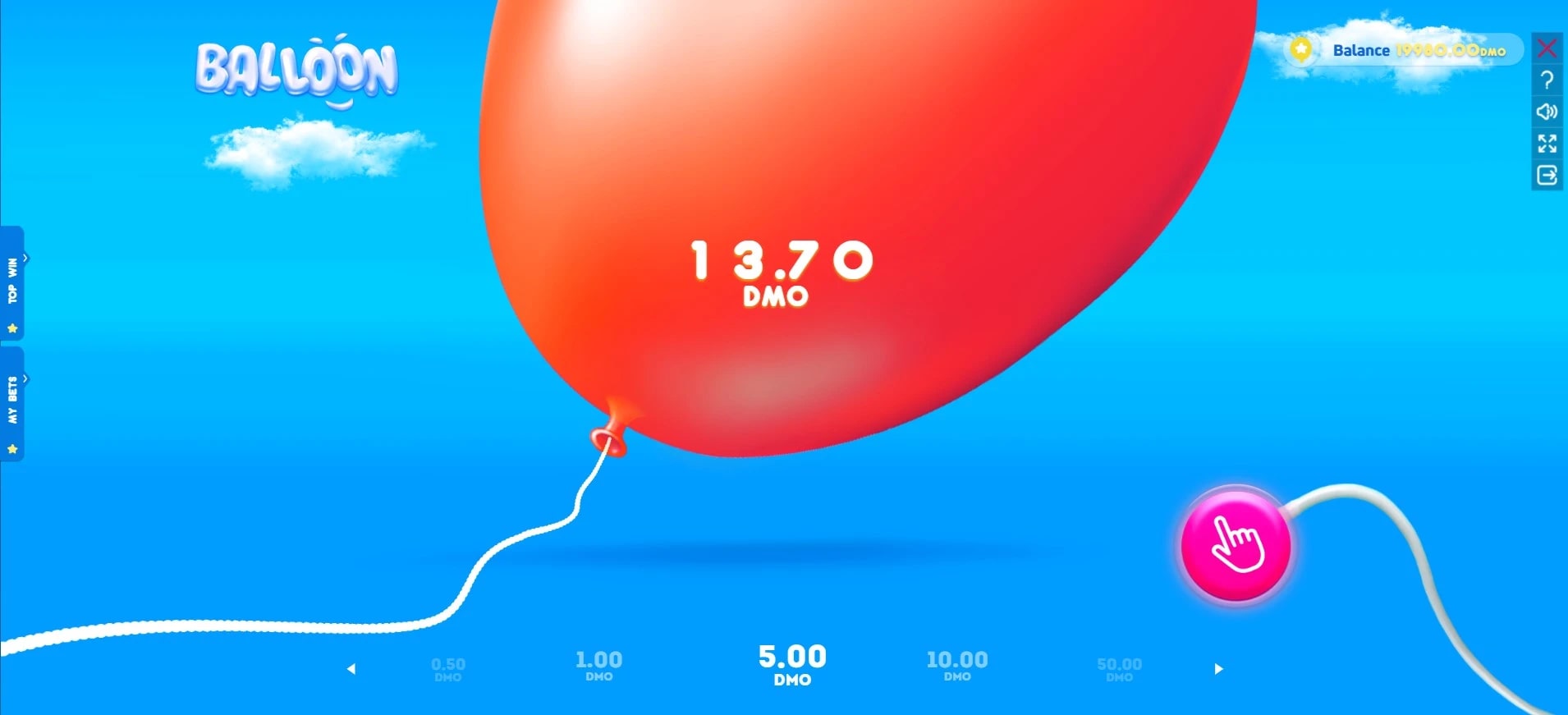
The **economics of high-frequency micro-transactions** is a model built on volume and speed, utilizing rapid, low-stakes interactions to generate significant cumulative revenue. This strategy contrasts sharply with the large, infrequent balloon smartsoft purchases common in traditional retail gaming. For online platforms, especially those featuring games like Balloon Smartsoft, this economic engine relies on maintaining a high turnover of small transactions and an extremely low churn rate.
Volume Over Value
In traditional online gaming, micro-transactions often involve the purchase of cosmetic items, loot boxes, or season passes, representing a higher average purchase value (APV) per transaction. The economics of high-frequency micro-transactions, however, thrives on a different principle: maximizing the **transactions per player per hour (TPH)**. Games like Balloon Smartsoft, with rounds lasting mere seconds, exemplify this. A player might place dozens, even hundreds, of small wagers within a short session. The core business model accepts a low profit margin per transaction, relying on the sheer volume of plays to generate substantial total revenue.
This economic model is sustainable because the cost of service per transaction is minuscule. Once the game (like Balloon Smartsoft) is designed and deployed, the incremental cost of running one more round is almost zero. Therefore, any small profit margin on each rapid bet—derived from the game’s inherent house edge—contributes directly to the overall bottom line.
Psychological and Technical Requirements
The **economics of high-frequency micro-transactions** requires a specific psychological and technical setup. Psychologically, the rapid feedback loop (win or loss) encourages immediate re-engagement, preventing the player from pausing and reflecting on cumulative losses. Technically, the platform must be able to handle immense transactional throughput. Latency and server capacity must be robust enough to process concurrent bets from thousands of players every few seconds, which is essential for the smooth operation of a crash-style game like Balloon Smartsoft.
Any technical failure or slowdown in payment processing, even for a single second, can halt the flow of micro-transactions, leading to immediate revenue loss. Therefore, platforms invested in the economics of high-frequency micro-transactions prioritize seamless, near-instantaneous back-end financial processing.
The Impact on Player Lifetime Value (LTV)
While individual bets are small, the cumulative effect dramatically increases the player's lifetime value (LTV). By ensuring players remain engaged with the platform for longer periods through quick, repetitive games, the platform maximizes the total number of transactions over the user's lifespan. This stable, high-volume flow of revenue allows operators to spend more on customer acquisition and reinvest more confidently in new content, making the economics of high-frequency micro-transactions a central pillar of the live-service financial strategy across the entire digital entertainment spectrum.
The economics of high-frequency micro-transactions is heavily influenced by **session duration**. For games like Balloon Smartsoft, the goal is not necessarily to keep the player active for eight hours, but rather to ensure they have multiple, short, engaging sessions every day. The low commitment required for a single round makes it an ideal filler activity, driving recurrent logins and ensuring the continuous flow of small, high-frequency transactions that cumulatively define the platform's financial health.
