

Why the piano has become such a staple instrument in casinos
In large casinos, a good old symbol of upscale socializing is increasingly noticeable: a grand piano or an upright piano in the hall, bar, or lounge. Industry observers note that the instrument works on two levels at once: it supports an image of luxury and at the same time acts as a subtle behavioral cue, influencing guests’ mood, the pace of play, and overall engagement.
Music in casinos has long been viewed as part of the overall experience design, where lighting, layout, and sound come together to create a cohesive impression. Against this backdrop, the piano looks not just like a source of background melody, but a full-fledged part of the space—noticeable both to the eye and the ear.
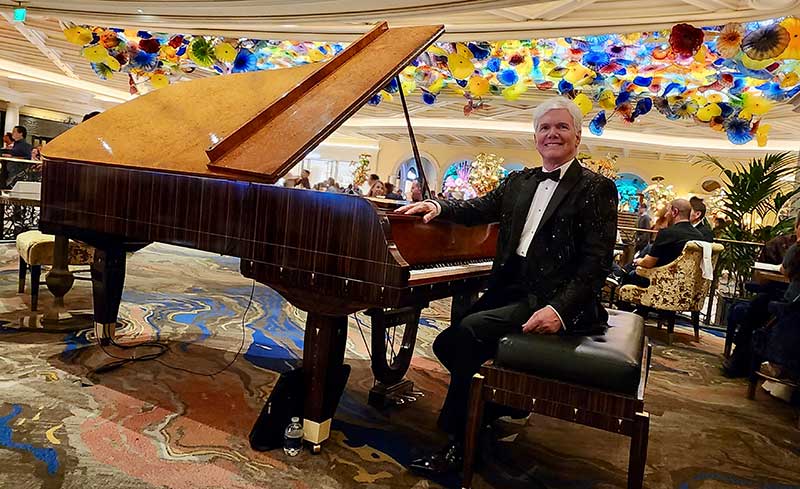
Why has the piano become so firmly established in casinos?
The answer is usually linked to a combination of three qualities. First, versatility: one performer can cover a wide repertoire from classical to pop standards. Second, visual prestige: a grand piano easily becomes the central object of the interior. Third, the psychological impact of its tone, which is perceived as warm and alive, even at low volume.
At the same time, the approach has its weak spots, which market participants themselves talk about. A live instrument requires tuning, acoustic treatment of the space, and repertoire approval, and the effect of music is harder to measure than direct metrics like revenue or foot traffic.
Casinos as entertainment venues and live stages
A modern casino is more often described as an all-in-one leisure experience, where gambling sits alongside gastronomy, cocktail culture, and short performances. Against this backdrop, live music is valued more highly than a standard playlist because it creates a sense of something happening here and now, rather than just sound dressing.
A live pianist format is convenient for such tasks, since it easily adapts to the rhythm of the evening. The industry typically highlights several functions of live performance:
- creating a sense of occasion without a full-scale stage or complex logistics
- holding attention by giving guests someone to watch—and a room to react
- flexibly shifting the mood depending on crowd levels and time of day
All of these functions are part of one more—drawing guests’ attention to the casino. In today’s conditions this is more important than it seems, since casinos now actively compete not so much with each other as with the online sector. iGaming is constantly evolving—and that is its key advantage. Among the top hits on the market are many digital versions of well-known game titles. Information on this site, dedicated to online casinos featuring Monopoly Big Baller, points to popular gambling games as one of the important competitive advantages of virtual platforms.
Land-based casinos bet on traditions, one part of which is live music in the venue.
Calm repertoire and subtle tempo control
Restrained melodies are often used during periods when comfort and predictability matter in the room. Classical pieces, soft swing, and unhurried pop set a backdrop against which it is easier for guests to switch between play, conversation, and the bar without feeling sonically overwhelmed.
The influence of music on behavior remains a subject of debate, since many factors affect players’ decisions. Nevertheless, descriptions of casino practices regularly feature the logic of “music direction,” where a calm repertoire supports relaxation and reduces perceived tension in moments of waiting, for example during bet changes or when moving between tables.
Up-tempo numbers and an uplift effect during peak hours
During peak hours, the emphasis often shifts toward a more energetic sound. Fast-tempo jazz standards, familiar mainstream tunes, and improvisations add a sense of celebration that pairs well with the noise of the room and the active work of the bars.
Observers note that dynamic music can change behavioral patterns, although it is difficult to prove direct causality. In practice, people more often point to noticeable shifts in the atmosphere:
- the pace of movement between zones increases
- the overall level of visible emotion rises—more smiles and reactions
- more mingling grows near the stage and by the bar, where the music is heard better
A grand piano in the interior and the behavioral upside
A grand piano also works as a decorative signal. Visually, it reads as an expensive statement piece associated with salon culture, mastery, and the tradition of live performance, which is why it is placed where it is important to underscore a premium feel—for example, along the main thoroughfare or in a seated lounge.
From a business perspective, the musical choice has a clear motivation. A pleasant backdrop makes the stay more comfortable, and comfort is often linked to the length of the visit and a willingness to spend more time on the property, although specific figures depend on many variables, including service and audience.
Neutral mentions of the role of sound also appear in industry reports. For example, in materials on lucky7bonus.ca, music is described as part of a holistic guest experience, where not only the games matter, but also the overall environment in which the evening takes place.
Social bonding, the psychology of sound, and cultural code
Live piano noticeably strengthens the social dimension. People linger more often near the source of music, find it easier to start a conversation on a neutral topic, and recognizable melodies trigger shared, in-sync reactions that create a club-like sense of belonging without any formal invitations.
Sound psychologists link the appeal of the piano to a rich overtone spectrum and a clear note attack, thanks to which the sound is perceived as both soft and structured. In the casino context, this can be important against the backdrop of emotional swings, when attention narrows and then drifts, while a steady musical pattern helps maintain concentration.
The instrument’s cultural symbolism also works for the image. The piano is equally appropriate in classical, jazz, and popular music, so casinos use it as a universal marker of quality and artistry that makes the space feel “more expensive” and adds a sense of staging to the evening, even if the game remains at the center of attention.
